Why Choose Electric Gear Motors for Your Industrial Needs?

Time:2026-08-31 Author:Henry
0%

Electric Gear Motors are essential for modern industrial applications. As industries increasingly move towards automation, the demand for reliable and efficient motors rises. According to a report by ResearchAndMarkets, the global electric motor market is projected to reach $162 billion by 2026, with gear motors holding a significant share. These motors offer superior speed, torque, and energy efficiency, making them a preferred choice for various applications.

The advantages of Electric Gear Motors are evident in sectors like manufacturing and logistics. They enable precise control of machinery, contributing to increased productivity. A study from MarketsandMarkets indicates that the adoption of gear motors can lead to energy savings of up to 30%. However, selecting the right motor requires careful consideration. Factors such as load requirements, environmental conditions, and compatibility with existing systems must be assessed.

Imperfect choices can lead to inefficiencies or costly downtime. Industry leaders emphasize the importance of expert consultation when selecting Electric Gear Motors. Making informed decisions is vital for optimizing performance and reducing operational risks. Investing in quality gear motors can yield substantial returns, but it’s essential to reflect on your unique needs and challenges to ensure optimal results.
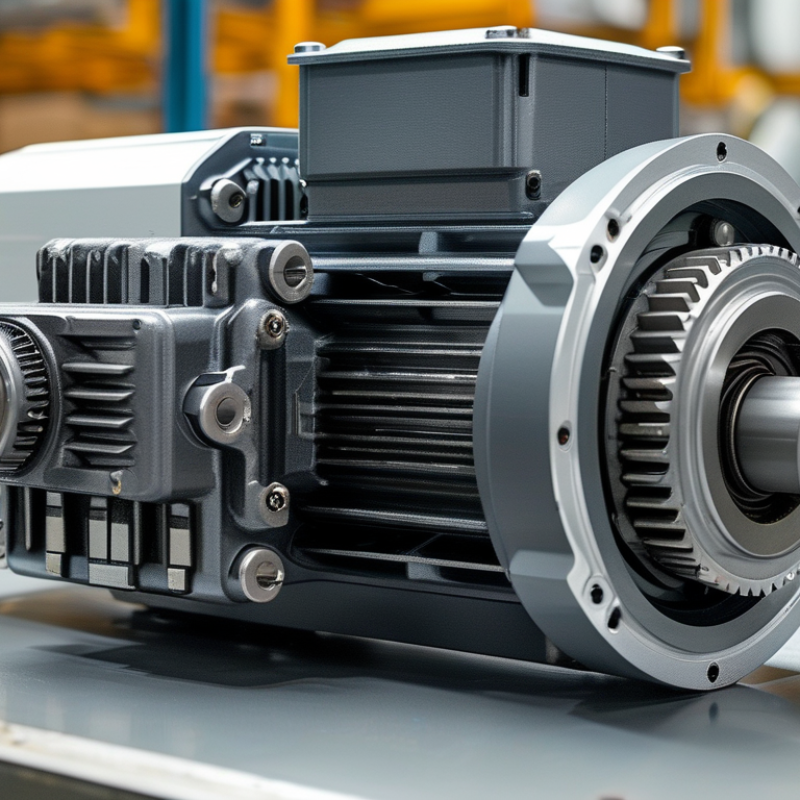
Why Choose Electric Gear Motors for Your Industrial Needs?

Benefits of Electric Gear Motors in Industrial Applications

Electric gear motors have gained traction in various industrial applications due to their numerous benefits. These motors provide exceptional energy efficiency compared to traditional alternatives. Their design allows for greater torque output, which is essential for heavy machinery. Users often find that these motors reduce energy consumption, leading to lower operational costs.

Another significant advantage is their compact design. Electric gear motors can fit into tighter spaces, optimizing plant layouts. This is particularly vital in industries where space is a premium. Furthermore, they operate quietly, minimizing noise pollution in factories. However, some might encounter challenges in maintenance, as these motors require specific care to ensure longevity.

The reliability of electric gear motors often stands out. With fewer moving parts, they tend to have a lower failure rate than other systems. Nonetheless, operational conditions can influence their performance. Overheating and overloading may affect their efficiency. Understanding these nuances is crucial for maximizing their potential in industrial settings.

Comparison: Electric Gear Motors vs. Traditional Mechanical Systems

Electric gear motors are revolutionizing industrial applications, offering advantages over traditional mechanical systems. Their design combines electric motors with gear reduction, delivering higher torque in a compact size. This innovation translates to efficiency and precision that many mechanical systems struggle to match. While traditional systems are often bulkier and require extensive maintenance, electric gear motors streamline operations, saving valuable space.

One notable limitation of mechanical systems is their reliance on complex assemblies. These components can break down, leading to costly downtime. In contrast, electric gear motors typically feature fewer moving parts. This simplicity reduces the likelihood of failure. However, users must remain vigilant, as improper installation can still lead to issues. The learning curve for transitioning to electric systems can pose challenges. Training staff adequately is essential for maximizing the potential of electric gear motors.

Additionally, electric gear motors offer enhanced control. Industries benefit from precision in speed and position. This is crucial for tasks like robotics and conveyor systems. Yet, despite their advantages, electric gear motors may not be suitable for every application. Understanding specific needs is vital to ensure compatibility. Therefore, an informed choice between electric gear motors and traditional systems hinges on detailed assessments.

Why Choose Electric Gear Motors for Your Industrial Needs? - Comparison: Electric Gear Motors vs. Traditional Mechanical Systems

Feature Electric Gear Motors Traditional Mechanical Systems
Energy Efficiency High (up to 90% efficiency) Moderate (60-70% efficiency)
Maintenance Low (less frequent service) High (regular maintenance needed)
Noise Level Low High
Sizing Flexibility Compact and customizable Larger and less flexible
Torque Density High torque in a small package Lower torque density
Environmental Impact Lower carbon footprint Higher carbon footprint

Energy Efficiency and Cost Savings of Electric Gear Motors

Electric gear motors offer significant energy efficiency and cost savings for industrial applications. According to a 2021 report from the International Energy Agency, electric motors account for approximately 45% of global electricity consumption in industrial sectors. By choosing electric gear motors, industries can reduce their energy consumption by up to 30%. These motors can convert electrical energy to mechanical energy with minimal losses, often exceeding 90% efficiency.

The initial investment in electric gear motors pays off in the long run. A study from the U.S. Department of Energy found that enhanced efficiency can lead to reduced operating costs, which can amount to over $1,000 per motor annually. This reduction is crucial for facilities striving to cut expenses while maximizing performance. Furthermore, electric motors require less maintenance compared to traditional alternatives, leading to additional savings. Over time, businesses experience improved profitability.

While electric gear motors demonstrate numerous advantages, challenges persist. Some facilities may face high upfront costs for advanced models. It's essential to conduct a thorough cost-benefit analysis before switching. Investments in quality motors should align with long-term operational goals. Reassessing current systems can highlight inefficiencies, exposing opportunities for upgrades. Balancing cost savings with investment remains critical for decision-makers in the industrial sector.

Energy Efficiency and Cost Savings of Electric Gear Motors

Key Features to Consider When Selecting Electric Gear Motors

When selecting electric gear motors, there are several key features to consider. One critical aspect is torque. Torque determines the motor's ability to handle different loads. Higher torque ratings are essential for heavy-duty applications. Choosing a motor with adequate torque can prevent equipment failure and improve operational efficiency.

Another important factor is speed control. Adjustable speed settings allow for versatility in various industrial applications. Some processes may require slow, precise movements, while others need rapid acceleration. Look for motors with integrated speed control systems. This feature enhances productivity and ensures consistent performance.

Consider the motor’s efficiency as well. Electric gear motors can significantly reduce energy consumption when selected correctly. High-efficiency models often have lower heat generation, extending product life. Ensure alignment with your operational goals to maximize the return on investment.

Keep an eye out for sizing as well. An incorrectly sized motor may lead to inefficiencies and operational challenges. Sizing must account for not just the load, but also the application nuances. Adjusting motor size can sometimes reduce maintenance issues in the long term.

Make sure to evaluate the environment where the motor will operate. Harsh conditions may require motors with enhanced durability. Selecting the right material is crucial. This attention to detail can save time and costs down the road.

Common Applications of Electric Gear Motors in Various Industries

Electric gear motors are versatile components in many industries. They play crucial roles in manufacturing, agriculture, and logistics. In manufacturing, they drive conveyors that automate product movement. This process enhances efficiency and reduces labor costs.

In agriculture, electric gear motors power machinery for planting and harvesting crops. These motors provide precise control for various applications, from irrigation systems to automated tractors. Their reliability makes them ideal for handling heavy loads under challenging conditions.

Logistics also benefits from these motors. They are used in sorting and packing systems. Their speed and torque can be adjusted easily, improving output. However, it’s essential to monitor their performance to ensure longevity. Electric gear motors, while dependable, can face issues if not maintained properly. Regular check-ups are necessary.

FAQS

: What are the main benefits of electric gear motors?

: Electric gear motors offer energy efficiency, high torque output, and lower operational costs. They also fit into compact spaces.

How do electric gear motors compare to traditional motors?

They usually have fewer moving parts, leading to lower failure rates and reduced energy consumption.

What is torque, and why is it important?

Torque measures a motor’s ability to handle loads. Higher torque is vital for heavy-duty applications.

Why is speed control necessary in electric gear motors?

Speed control allows for versatility. Some tasks need precise movements, while others require fast acceleration.

How does motor efficiency impact operations?

Higher efficiency means reduced energy costs. It also generates less heat, potentially extending the motor’s lifespan.

What happens if the motor is incorrectly sized?

An incorrectly sized motor can lead to inefficiencies. This may cause operational challenges and higher maintenance.

What environmental factors should be considered?

Harsh conditions may necessitate more durable motors. Selecting the right materials can prevent future costs and issues.

Are there maintenance challenges with electric gear motors?

Yes, they require specific care to ensure longevity. Regular maintenance is necessary for optimal performance.

How can overheating impact electric gear motors?

Overheating can reduce efficiency. It's crucial to monitor the operational conditions to prevent this issue.

How can I maximize the potential of electric gear motors?

Understanding their nuances and ensuring proper care and sizing can help enhance their effectiveness in industrial settings.

Conclusion

Electric gear motors are increasingly favored for industrial applications due to their numerous benefits, including enhanced energy efficiency, reduced operational costs, and the ability to provide precise control in various mechanical systems. When compared to traditional mechanical systems, electric gear motors demonstrate superiority in terms of reliability and maintenance, making them a smart investment for industries looking to improve their automation processes.

When selecting an electric gear motor, it is essential to consider key features such as torque requirements, speed regulations, and environmental conditions. These motors find common applications across a wide range of sectors, from manufacturing to robotics, illustrating their versatility and effectiveness in meeting diverse industrial needs. By leveraging the advantages of electric gear motors, businesses can optimize performance while promoting sustainability in their operations.

Henry

Henry

Henry is a dedicated marketing professional with a profound expertise in the company's offerings. With years of experience in the industry, he possesses an impressive understanding of the market dynamics and consumer behaviors that drive success. Henry is committed to sharing his insights through......