Choosing the right Low Voltage Gear Motor begins with the machine’s real working conditions. A conveyor, valve actuator, medical device, and packaging feeder can require very different motor designs. Voltage alone cannot determine the best option. Load torque, speed, duty cycle, gearbox ratio, starting current, and available installation space matter equally.
Dr. Austin Hughes, a respected motor-drive author and educator, expresses a practical principle: “The motor and the load must be considered as one system.” That idea guides responsible selection. Measure the load at startup, not only during smooth operation. A small conveyor may need extra torque when carrying wet products or uneven boxes. A compact gearbox may fit the frame, yet overheat during repeated reversing. These details often decide reliability.
This guide examines how to compare a Low Voltage Gear Motor with greater confidence. It considers brushed and brushless designs, gear materials, sealing, noise, thermal performance, control compatibility, and expected service life. Check the datasheet carefully. Rated torque can hide important conditions, such as ambient temperature or operating time. Ask manufacturers for test data, dimensional drawings, and application support. Those documents are more useful than impressive marketing claims.
A perfect choice is rarely possible. Real machines are untidy. Installation errors, poor alignment, and underestimated loads still cause failures. Therefore, select a motor with measured evidence, reasonable safety margin, and a maintenance plan. The final decision should balance efficiency, cost, durability, and practical service access.
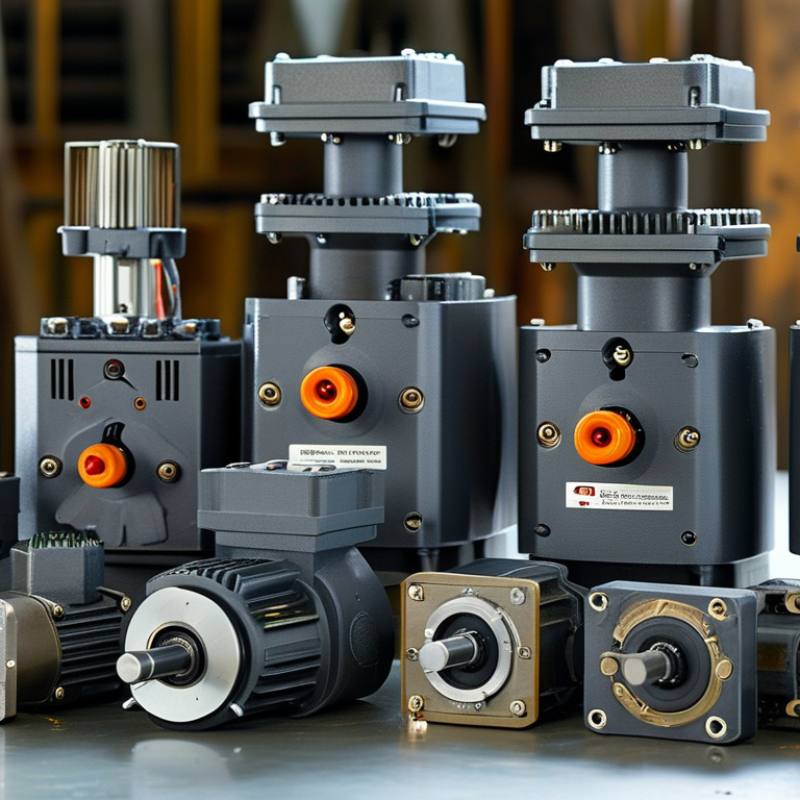
Define the Application Requirements for a Low Voltage Gear Motor
How to Choose the Best Low Voltage Gear Motor?
Define the Application Requirements for a Low Voltage Gear Motor
Start with the load, not the motor nameplate. Record continuous torque, peak torque, output speed, duty cycle, and required starts per hour. Measure the real load when possible. Estimates often miss acceleration resistance. That mistake can cause overheating.
Voltage and current must match the available power source. Confirm whether the system uses 12, 24, or 48 VDC. Then check voltage drop across cables, connectors, and protection devices. A motor may perform well on a bench but stall inside a machine. It happens.
Operating conditions also shape the specification. Note ambient temperature, dust, moisture, installation angle, and available space. Select the gearbox ratio from the required output speed and torque. Do not choose a high ratio only for maximum force. It may reduce speed and increase backlash. The U.S. Department of Energy reports that motor-driven systems consume about 70% of industrial electricity, so efficiency deserves attention. The International Energy Agency also identifies motor systems as major global electricity users. Small losses matter over long operating hours.
Ask for measured noise, thermal data, efficiency curves, and service-life assumptions. Review protection requirements and stall behavior. A qualified engineer should verify the final selection against applicable electrical and machinery standards. Catalog data can be incomplete. That deserves careful questioning.
Select the Right Gearbox Type and Motor Configuration
Choosing a low voltage gear motor starts with the gearbox, not the voltage label. Worm gearboxes suit compact, self-locking mechanisms, but their sliding contact can reduce efficiency. Helical and bevel-helical designs usually deliver better efficiency and lower heat at continuous duty. Planetary gearboxes provide high torque density, although their cost and assembly demands are higher. The U.S. Department of Energy reports that motor-driven systems consume more than 70% of industrial electricity, so small efficiency losses deserve attention.
Match the gearbox to the load profile. Measure starting torque, running torque, speed, shock loads, and daily operating hours. A 24 V BLDC motor can provide efficient, controllable motion, especially with frequent starts and speed changes. A 48 V configuration may reduce current and cable heating at higher power. Induction motors remain practical for steady operation, but they often need more space and suitable drive control. The IEA estimates that electric motor systems use about half of global electricity, making configuration choices more significant than they appear.
Do not select by rated torque alone. Check service factor, gearbox backlash, thermal limits, shaft loading, and braking requirements. Encoder feedback improves positioning, but it adds wiring and control complexity. I have seen compact designs fail because the gearbox was efficient on paper, yet overheated inside a sealed enclosure. That judgment needs revision when ambient temperature, duty cycle, and poor ventilation are ignored. Industry guidance from IEC 60034 also reinforces the need to verify temperature rise and operating conditions, not merely nominal voltage.
How to Choose the Best Low Voltage Gear Motor?
Select the gearbox type according to the required torque, speed, efficiency, operating duty, and available space. The chart shows representative typical efficiency values for common gearbox designs used with low-voltage gear motors.
Key insight: Helical and planetary gearboxes generally provide higher efficiency, while worm gearboxes offer compact, high-ratio reduction but typically have greater power loss. Brushed DC motors are suitable for simple cost-sensitive systems, whereas BLDC motors are commonly preferred for higher efficiency, longer service life, and precise speed control.
Conclusion
Choosing the right Low Voltage Gear Motor begins with a clear understanding of the application. Identify the required load, movement pattern, available space, power source, target speed, output torque, and duty cycle. The motor’s voltage, torque, speed, and operating frequency should match the system closely to ensure reliable performance without unnecessary energy consumption or overheating. It is also important to select a suitable gearbox type and motor configuration based on the required transmission ratio, mounting method, direction of rotation, and installation environment.
Beyond basic performance, evaluate efficiency, noise level, protection rating, temperature range, and resistance to dust or moisture. A practical comparison should include supplier reliability, technical documentation, expected maintenance needs, replacement accessibility, and total ownership cost rather than purchase price alone. By reviewing these factors systematically, users can choose a Low Voltage Gear Motor that delivers stable operation, long service life, and strong overall value for the intended equipment.
 DC Motor B2B
