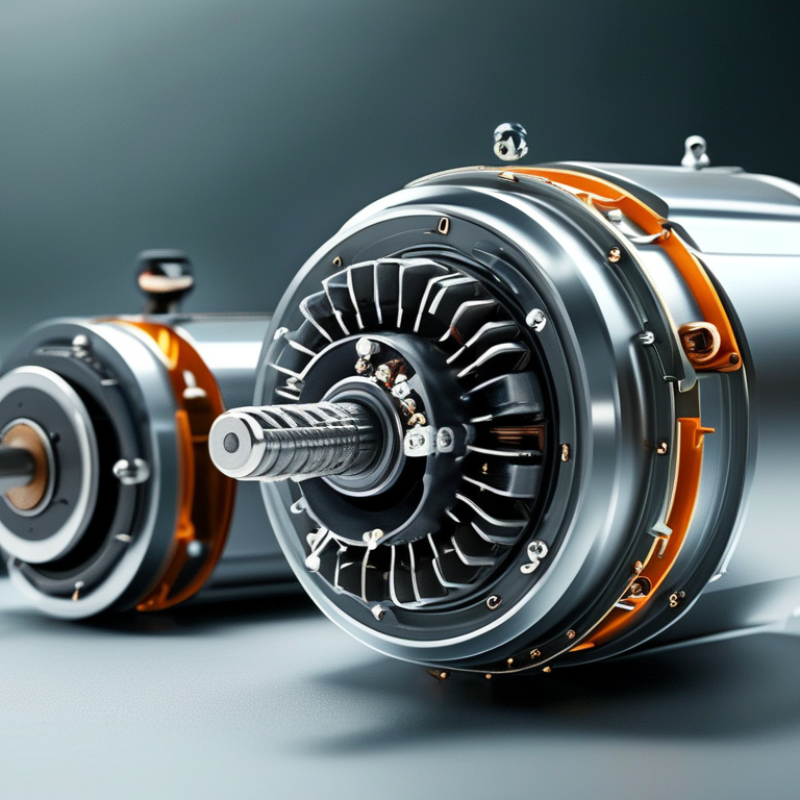
DC Micro Vibration Motors have gained significant attention in various industries. According to recent market research, the demand for micro vibration motors is projected to exceed $500 million by 2025. Their compact size and efficiency make them ideal for applications in mobile devices, wearables, and automotive systems.
These motors provide tactile feedback and enhance user experience. For instance, smartphones employ DC Micro Vibration Motors to create realistic notifications. However, their use in medical devices is becoming increasingly prevalent. They facilitate precise movements in surgical tools and rehabilitation equipment.
Despite their benefits, challenges remain in terms of production costs and durability. Companies must continually innovate to sustain competitiveness. Understanding the functionality and applications of DC Micro Vibration Motors can unlock new opportunities in technology and healthcare.
What is a DC Micro Vibration Motor?
DC micro vibration motors are compact devices that convert electrical energy into mechanical vibrations. These small yet powerful motors are typically used in portable electronics, such as smartphones and wearables. Researchers estimate that the market for these motors is expected to reach over $4 billion by 2025, driven largely by their application in haptic feedback systems.
These motors operate on a simple principle: a rotating eccentric mass generates vibrations when the motor spins. The design of micro vibration motors has evolved considerably. Innovations include improved materials and manufacturing processes, leading to enhanced performance and reliability. These advancements allow devices to deliver precise and varied haptic feedback, enhancing user experiences in gaming, medical devices, and consumer products.
However, the integration of micro vibration motors is not without its challenges. Achieving the right balance between size, power consumption, and vibration intensity can be difficult. There are ongoing discussions about optimizing motor efficiency while maintaining affordability for manufacturers. The continuous demand for smaller, more efficient motors underscores the need for innovation in this field. While progress is evident, further research is necessary to adapt these technologies to future applications.
Key Components of DC Micro Vibration Motors
DC micro vibration motors are compact devices that create vibrations through a simple yet effective mechanism. These motors generally consist of a core rotor, a stator, and a control circuitry. The rotor, which includes an unbalanced mass, spins rapidly, generating vibrations. Data shows that the global market for vibration motors will grow significantly, driven by demand in consumer electronics and wearable devices.
Key components include the rotor's design and the electric coil that drives the motor. Fine-tuning these components is crucial for achieving optimal performance. The rotor’s weight distribution directly impacts the motor's vibration strength, while the precision in the coil winding affects efficiency. According to recent reports, 60% of new products in mobile devices utilize micro vibration technology to enhance user experience.
Manufacturers face challenges in miniaturization and power consumption. Balancing size and battery life is not easy. Therefore, exploring innovative materials and production techniques is essential. While many advancements have been made, achieving perfect reliability remains a concern. Continuous research and feedback are necessary for further improvements.
How DC Micro Vibration Motors Function
DC micro vibration motors are compact devices that convert electrical energy into mechanical vibration. These motors typically operate on DC voltage and are known for their reliability and efficiency. Their construction usually involves a rotating mass and a permanent magnet, which creates vibration as it spins. They are often found in mobile devices, wearables, and even medical equipment, where size constraints are paramount.
The functionality of these motors is fascinating. As electrical current flows through the coil, it generates a magnetic field. This field interacts with the permanent magnet, causing the rotor to spin. In many applications, the vibration frequency plays a crucial role. For example, reports indicate that varying the frequency from 100 Hz to 300 Hz can produce different intensities of tactile feedback. This feedback is important for enhancing user experience in smartphones, where vibrations alert users of notifications, providing them with immediate, nuanced responses.
However, while DC micro vibration motors have transformed many industries, challenges remain. Precision manufacturing is essential, as even slight discrepancies can affect performance. Additionally, power consumption needs consideration in applications where battery life is critical, such as in wearables. Understanding these motors' intricate mechanics and nuances can drive further innovations in their applications, making them more efficient and effective across various fields.
Applications of DC Micro Vibration Motors
Common Applications of DC Micro Vibration Motors
DC micro vibration motors are essential components in various devices. They create small vibrations, serving multiple practical applications. These tiny motors are commonly found in smartphones and wearables. They provide haptic feedback, enhancing user experience by signaling notifications or alerts. This tactile response makes interactions more engaging and intuitive.
In consumer electronics, DC micro vibration motors are widely used in gaming controllers. The vibrations enhance gameplay, providing players with physical feedback during action sequences. Additionally, these motors play a crucial role in medical devices. They provide vibration for therapeutic tools, helping with muscle relaxation and improving mobility in rehabilitation settings.
Robotics is another field where DC micro vibration motors shine. They assist in creating motion and movements in small robots. However, there are challenges. Ensuring durability and minimizing power consumption can be difficult. Designers must strike a balance between performance and size. Testing and refining designs is crucial for achieving desired outcomes.
Advantages and Limitations of DC Micro Vibration Motors
DC micro vibration motors are compact devices that provide mechanical vibrations for various applications. They are commonly used in mobile phones, gaming controllers, and medical devices. According to a market research report by Mordor Intelligence, the global market for vibration motors is expected to grow significantly. This growth indicates an increasing demand in sectors like consumer electronics and healthcare.
While DC micro vibration motors have distinct advantages, they also come with limitations. One major advantage is their small size and lightweight design, making them suitable for portable devices. They are easy to integrate into compact systems. Furthermore, they consume less power than larger motors, making them energy-efficient. However, these motors are often limited by their vibration intensity and lifespan. Users may find that the output isn't strong enough for certain applications. Additionally, environmental factors like temperature and humidity can affect performance.
The reliability of DC micro vibration motors is essential in many devices. For example, a study by Research and Markets highlighted that nearly 30% of device failures are linked to motor malfunctions. This statistic underscores the importance of selecting high-quality components. Many users might overlook these details, leading to potential issues in product performance and longevity. The balance between advantages and limitations requires careful consideration in design and application.
What is a DC Micro Vibration Motor and Its Applications? - Advantages and Limitations of DC Micro Vibration Motors
| Dimension |
Details |
| Type |
DC Micro Vibration Motor |
| Common Applications |
Mobile Phones, Wearable Devices, Toys, Medical Equipment |
| Voltage Range |
1.5V to 6V |
| Vibration Frequency |
100 Hz to 200 Hz |
| Advantages |
Compact Size, Low Power Consumption, High Reliability, Simple Control |
| Limitations |
Limited Torque, Reduced Vibration Intensity at High Frequencies, Lifespan Affected by Environmental Conditions |
| Typical Size |
10mm to 20mm Diameter |
| Weight |
Less than 10 grams |
FAQS
: They are small devices that convert electrical energy into mechanical vibrations. They are used in portable electronics.
They operate on DC voltage. A rotating mass creates vibrations as it spins.
They are found in smartphones, wearables, and medical devices. Their compact size is crucial in these applications.
The market is expected to exceed $4 billion by 2025, driven by haptic feedback demand.
They are lightweight, energy-efficient, and easy to integrate into compact systems.
Their vibration intensity may not be strong enough for some uses. Lifespan and environmental factors can also impact performance.
Even slight discrepancies can affect performance, leading to potential problems in functionality.
Temperature and humidity can impact the effectiveness and reliability of these motors.
Different frequencies produce varied feedback, enhancing how users receive notifications on devices.
It's vital to choose high-quality parts to avoid potential device failures linked to motor malfunctions.
Conclusion
A DC Micro Vibration Motor is a compact electromechanical device that converts electrical energy into mechanical vibrations, commonly utilized in various applications where haptic feedback or vibration alerts are necessary. These motors consist of essential components such as a rotor, stator, and eccentric weight, which work together to produce vibration when powered.
DC Micro Vibration Motors are widely used in smartphones, wearable devices, and automotive systems, providing users with tactile feedback that enhances user experience. While they offer advantages such as small size and low power consumption, there are limitations including potential durability issues and a range of operational efficiencies based on design and application. Overall, the versatility of DC Micro Vibration Motors makes them a crucial element in modern technology.
 DC Motor B2B